Mastering Best Practices for Blogging: A Beginner's Guide to Success
Welcome to the world of blogging, where sharing your thoughts, experiences, and expertise can engage and inspire a global audience. In this tutorial, you'll learn the best practices for blogging, from setting up your blog to creating high-quality content and optimizing it for search engines. By following these steps, you'll be well on your way to building a successful blog that attracts and retains a loyal readership. Whether you're a beginner or looking to improve your existing blog, this guide will provide you with the knowledge and skills to take your blogging to the next level.
Step 1: Choosing the Right Niche for Your Blogging Journey
Picking a niche is a crucial step in blogging, as it determines the focus and direction of your content. To choose the right niche, consider your passions, expertise, and the needs of your target audience. Ask yourself what problems you can solve for your readers and what topics you can cover in-depth. For example, if you're a foodie, you might start a blog about recipes, cooking techniques, or restaurant reviews. Remember to select a niche that's specific enough to stand out but broad enough to allow for variety and creativity in your content. 
Step 2: Setting Up Your Blog with the Best Practices for Blogging
Once you've chosen your niche, it's time to set up your blog. This involves selecting a domain name, web hosting service, and blogging platform. Consider using popular platforms like WordPress, Blogger, or Medium, which offer customizable templates, user-friendly interfaces, and integrated SEO tools. When choosing a domain name, make sure it's memorable, easy to spell, and relevant to your niche. For instance, if you're starting a fashion blog, you might choose a domain name like "stylehub.com" or "fashionforward.net". Don't forget to secure your blog with an SSL certificate and enable backups to protect your content. 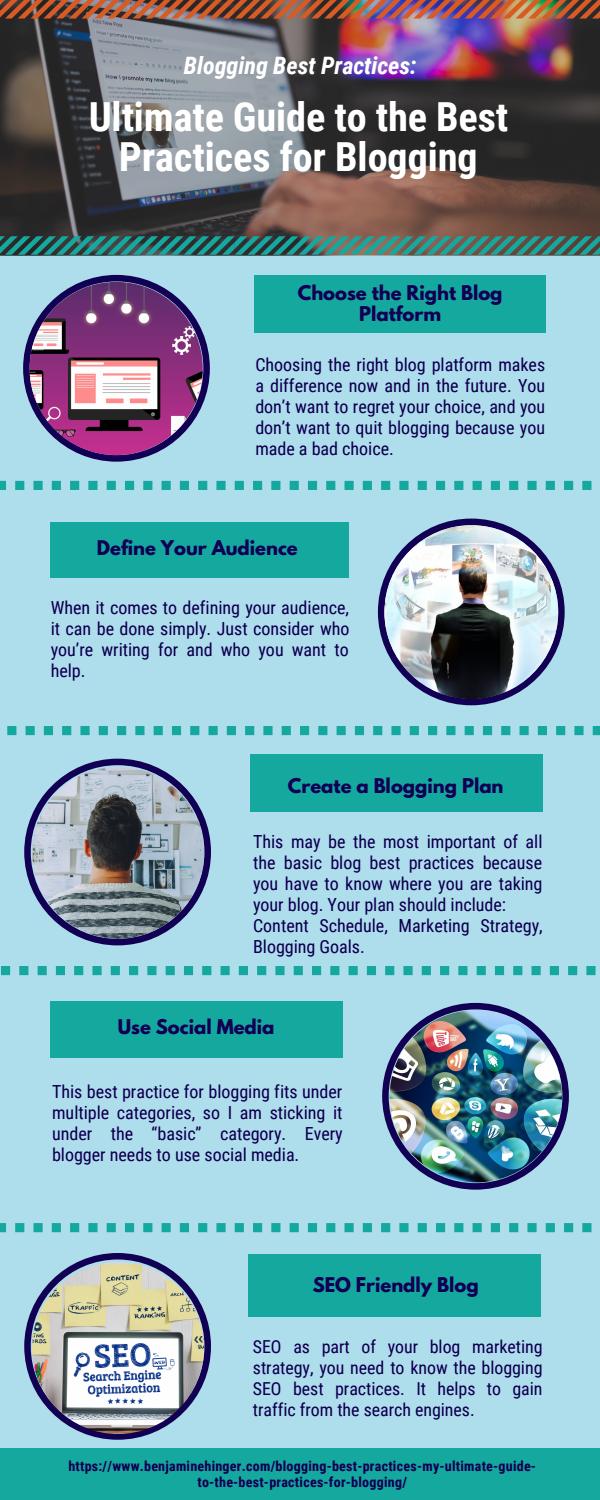
Step 3: Creating High-Quality Content with Best Practices for Blogging in Mind
High-quality content is the backbone of any successful blog. To create engaging and informative content, focus on crafting compelling headlines, introductions, and conclusions. Use a conversational tone, break up long paragraphs, and incorporate relevant images, videos, or infographics. Make sure your content is well-researched, up-to-date, and optimized for SEO. This includes using keywords strategically, optimizing meta descriptions, and internal linking to other relevant articles on your blog. For example, if you're writing a post about the benefits of meditation, you might use keywords like "mindfulness," "relaxation," and "stress relief" throughout your content. 
Step 4: Optimizing Your Blog for Search Engines with Best Practices for Blogging
Search engine optimization (SEO) is crucial for increasing your blog's visibility, driving organic traffic, and boosting your online presence. To optimize your blog, start by conducting keyword research using tools like Google Keyword Planner, Ahrefs, or SEMrush. Identify relevant keywords and phrases, and incorporate them naturally into your content, meta descriptions, and headings. Additionally, ensure your blog is mobile-friendly, has fast loading speeds, and is secure (HTTPS). You can also use internal linking to connect related articles, which helps search engines understand your content hierarchy and improves user experience. For instance, if you have a blog post about "The Benefits of Blogging," you might link to other relevant articles like "How to Start a Blog" or "Blogging Tips for Beginners." 
Step 5: Promoting Your Blog and Engaging with Your Audience
Promoting your blog and engaging with your audience is vital for building a loyal readership and driving traffic to your site. To promote your blog, use social media platforms like Facebook, Twitter, or Instagram to share your content, interact with your audience, and build your brand. You can also collaborate with other bloggers or influencers in your niche to reach new audiences and build backlinks to your site. Additionally, consider email marketing, which allows you to nurture your subscribers, share exclusive content, and promote your latest posts. Remember to engage with your audience by responding to comments, answering questions, and creating a community around your blog. 
Step 6: Analyzing and Improving Your Blog's Performance with Best Practices for Blogging
Finally, to ensure the success of your blog, it's essential to analyze and improve its performance regularly. Use analytics tools like Google Analytics to track your website traffic, engagement metrics, and conversion rates. This data will help you understand what's working and what areas need improvement. Based on your analytics, you can refine your content strategy, adjust your SEO approach, and optimize your user experience. For instance, if you notice that a particular post is performing well, you might create more content on that topic or use a similar format for future posts. By continually monitoring and improving your blog's performance, you'll be able to refine your strategy, increase your online visibility, and achieve your blogging goals. 
Frequently Asked Questions (FAQs) About Best Practices for Blogging
Q: What is the most important aspect of blogging? A: Creating high-quality, engaging, and informative content is the most crucial aspect of blogging. Q: How do I increase my blog's traffic? A: To increase your blog's traffic, focus on SEO, promote your content on social media, and engage with your audience. Q: What is the best way to monetize my blog? A: The best way to monetize your blog depends on your niche and audience, but common methods include affiliate marketing, sponsored content, and display advertising. Q: How often should I post new content on my blog? A: The frequency of posting new content depends on your goals and audience, but aim to post at least once a week to keep your readers engaged and coming back for more. Q: What are the most effective ways to promote my blog? A: The most effective ways to promote your blog include social media marketing, email marketing, and collaborating with other bloggers or influencers in your niche.
15 Blogging Best Practices To Reach Your Content Marketing Goals
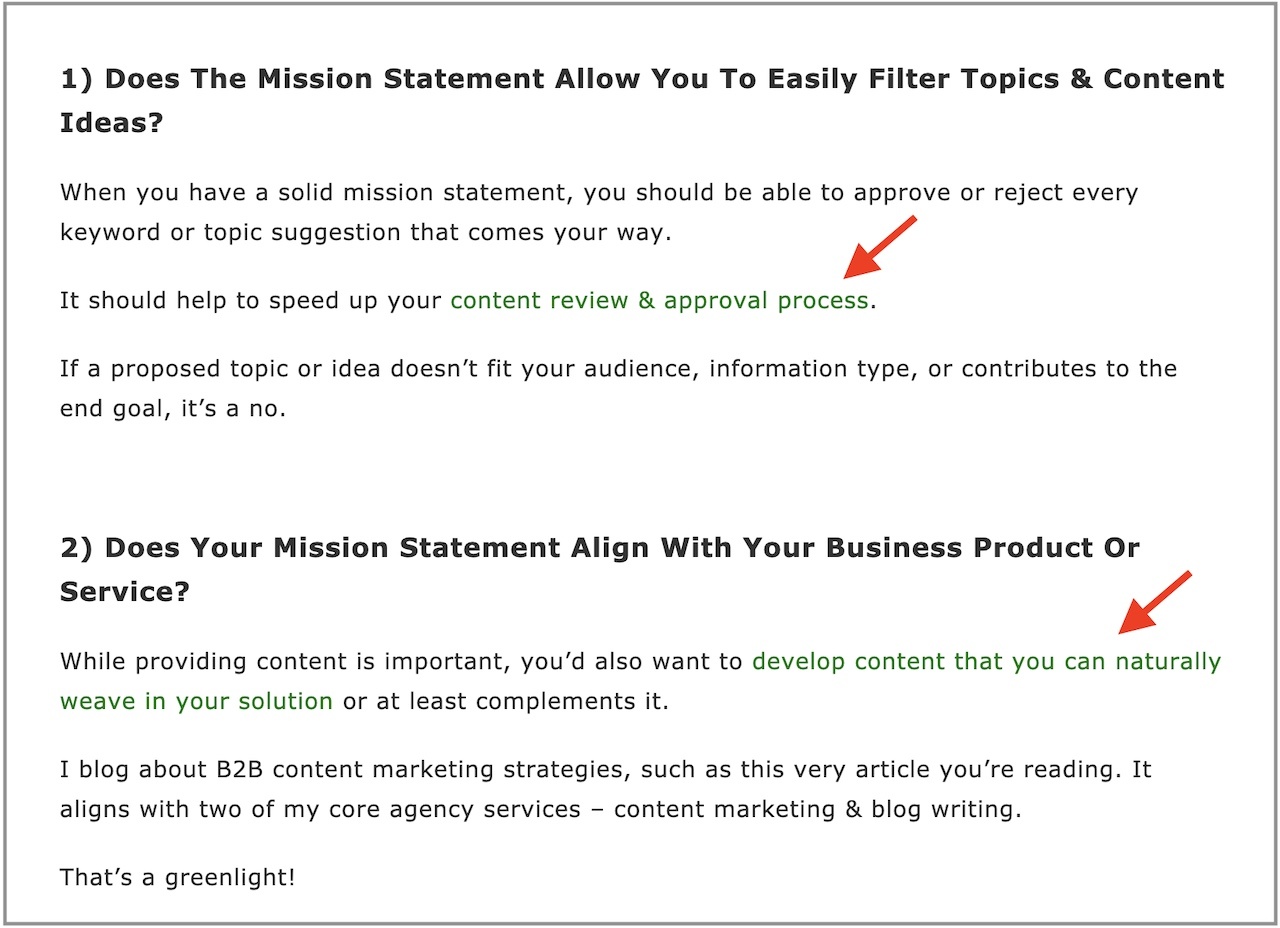
15 Blogging Best Practices To Reach Your Content Marketing Goals
15 Blogging Best Practices To Reach Your Content Marketing Goals
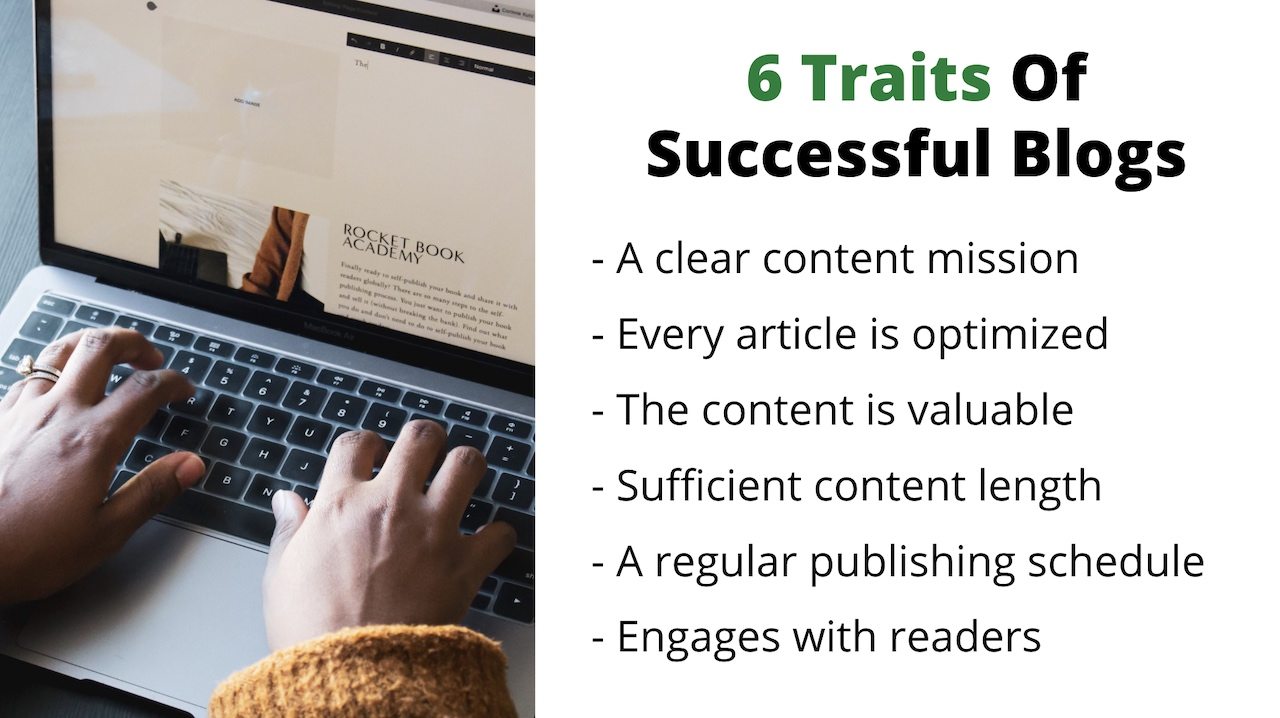
15 Blogging Best Practices To Reach Your Content Marketing Goals
15 Blogging Best Practices To Reach Your Content Marketing Goals

15 Blogging Best Practices To Reach Your Content Marketing Goals