Building Online Traffic with SEO: A Step-by-Step Guide to Increasing Search Engine Visibility
Learning how to build online traffic with SEO is crucial for any business or website owner looking to increase their online presence and reach a wider audience. In this tutorial, we will walk you through the steps to boost your website's search engine visibility, drive more traffic, and ultimately, grow your online business. With the right strategies and techniques, you can improve your website's ranking, increase organic traffic, and stay ahead of the competition. In this guide, we will cover the essential steps to build online traffic with SEO, including keyword research, on-page optimization, link building, and more.
Step 1: Conducting Keyword Research to Identify Relevant Search Terms
To start building online traffic with SEO, it's essential to conduct thorough keyword research to identify relevant search terms and phrases that your target audience uses to search for products or services like yours. You can use tools like Google Keyword Planner, Ahrefs, or SEMrush to find the best keywords for your business. For example, if you're a fitness trainer, you can use keywords like "personal training," "fitness coaching," or "workout plans" to attract potential clients. Remember to use long-tail keywords, which are more specific phrases with lower competition, to increase your chances of ranking higher in search engine results.
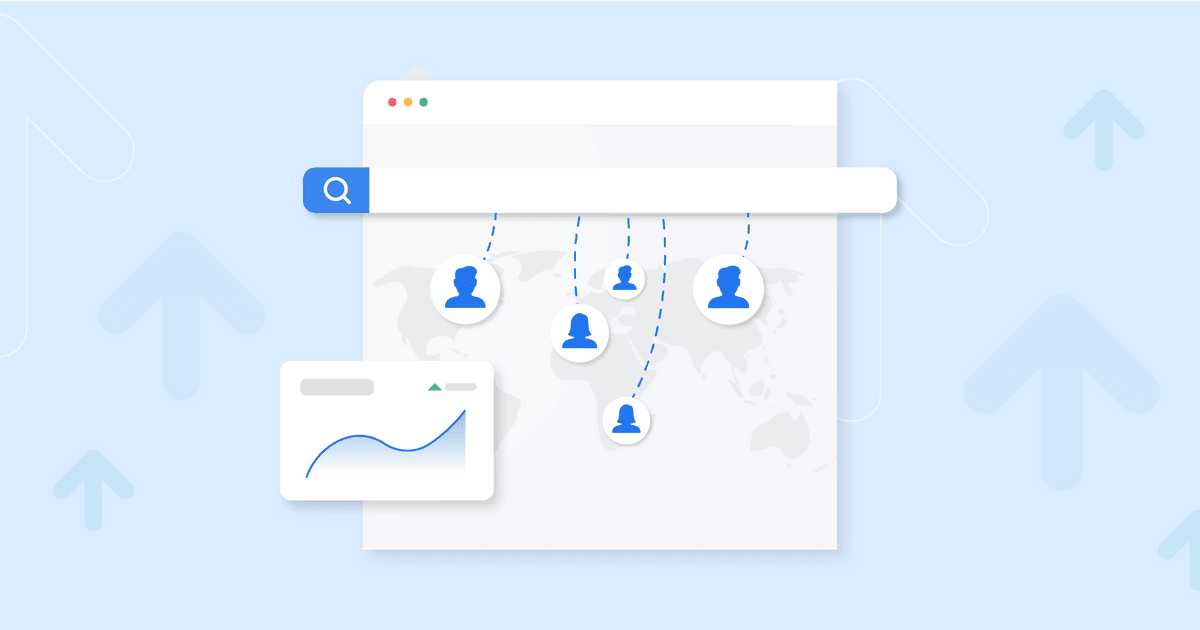
Step 2: Optimizing On-Page Elements for Better Search Engine Visibility
On-page optimization is critical to building online traffic with SEO. This involves optimizing your website's elements, such as title tags, meta descriptions, headings, and content, to make it search engine friendly. Use your target keywords in your title tags, meta descriptions, and headings to improve your website's relevance and visibility. For instance, if you're a fashion blogger, you can use keywords like "fashion trends," "style tips," or "beauty advice" in your title tags and meta descriptions to attract fashion-conscious readers. Also, make sure your content is high-quality, engaging, and informative to keep your readers coming back for more.
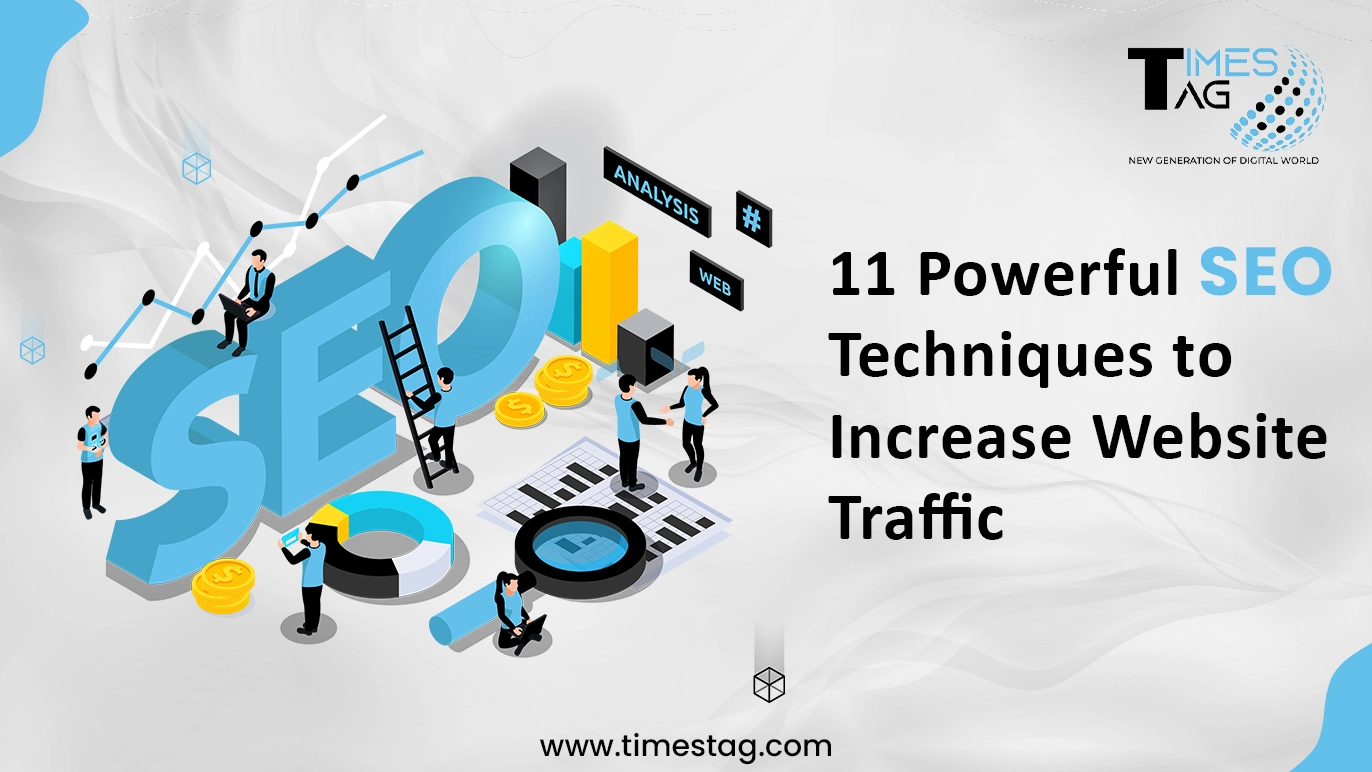
Step 3: Creating High-Quality, Engaging, and Informative Content to Attract and Retain Online Traffic
Creating high-quality, engaging, and informative content is vital to building online traffic with SEO. Your content should be well-researched, well-written, and optimized for your target keywords. Use a variety of content formats, such as blog posts, articles, videos, and infographics, to cater to different learning styles and preferences. For example, if you're a food blogger, you can create recipe videos, cooking tutorials, or food reviews to attract foodies and cooking enthusiasts. Remember to keep your content fresh, updated, and relevant to maintain your readers' interest and keep them coming back for more.
Step 4: Building High-Quality Backlinks to Increase Online Authority and Visibility
Building high-quality backlinks is essential to increasing your online authority and visibility. Backlinks are links from other websites that point to your website, and they can significantly improve your website's ranking and search engine visibility. You can build backlinks by guest blogging, participating in online communities, or collaborating with other website owners or influencers in your niche. For instance, if you're a travel blogger, you can guest blog on other travel websites, participate in travel forums, or collaborate with travel influencers to build backlinks and increase your online authority.
Step 5: Using Social Media to Promote Your Content and Drive Online Traffic
Using social media to promote your content and drive online traffic is crucial in today's digital landscape. Social media platforms like Facebook, Twitter, Instagram, and LinkedIn can help you reach a wider audience, increase your online visibility, and drive more traffic to your website. Share your content on social media, engage with your followers, and use relevant hashtags to increase your content's reach and visibility. For example, if you're a fashion brand, you can share your latest fashion collections, behind-the-scenes content, or style tips on Instagram to attract fashion-conscious followers and drive traffic to your website.
Step 6: Monitoring and Analyzing Your Website's Performance to Optimize Your SEO Strategy
Monitoring and analyzing your website's performance is critical to optimizing your SEO strategy and building online traffic. Use tools like Google Analytics, SEMrush, or Ahrefs to track your website's traffic, engagement, and conversion rates. Analyze your data to identify areas for improvement, optimize your SEO strategy, and make data-driven decisions to increase your online traffic and grow your business. For instance, if you're an e-commerce website, you can track your website's conversion rates, average order value, and customer retention rates to optimize your SEO strategy and improve your online sales.
Step 7: Optimizing Your Website for Mobile Devices to Improve User Experience and Increase Online Traffic
Optimizing your website for mobile devices is essential to improving user experience and increasing online traffic. With more and more people using mobile devices to access the internet, it's crucial to ensure that your website is mobile-friendly, responsive, and provides a seamless user experience. Use mobile-friendly templates, optimize your images, and ensure that your website's loading speed is fast and efficient. For example, if you're a restaurant owner, you can optimize your website for mobile devices to allow customers to easily browse your menu, make online reservations, or order takeout on the go.
Step 8: Staying Up-to-Date with the Latest SEO Trends and Best Practices to Stay Ahead of the Competition
Staying up-to-date with the latest SEO trends and best practices is vital to staying ahead of the competition and building online traffic. Attend SEO conferences, webinars, and workshops to learn about the latest SEO strategies and techniques. Follow SEO blogs, podcasts, and social media channels to stay informed about the latest SEO trends and best practices. For instance, if you're a digital marketer, you can follow SEO thought leaders, attend SEO conferences, or participate in online communities to stay up-to-date with the latest SEO trends and best practices.
Frequently Asked Questions (FAQs)
Q: What is SEO, and how does it work?
A: SEO stands for Search Engine Optimization, and it's the process of optimizing your website to rank higher in search engine results pages (SERPs) for specific keywords and phrases.
Q: How long does it take to see results from SEO?
A: SEO is a long-term strategy, and it can take several months to a year or more to see significant results. However, with consistent effort and optimization, you can improve your website's visibility, drive more traffic, and grow your online business.
Q: What are the most important factors in SEO?
A: The most important factors in SEO include keyword research, on-page optimization, link building, content creation, and technical optimization. By focusing on these factors, you can improve your website's visibility, drive more traffic, and increase your online authority.
How To Increase Website Traffic Through SEO: A Comprehensive Guide
How to Increase Website Traffic Through SEO: A Comprehensive Guide
Want More Online Traffic? Try These Creative SEO Strategies
Want More Online Traffic? Try These Creative SEO Strategies
SEO Traffic: What It Is & 6 Ways To Increase It In 2024
.png)
SEO Traffic: What It Is & 6 Ways to Increase It in 2024