Mastering Daily Blogging: A Step-by-Step Guide to Creating an Engaging Daily Blog Routine
Welcome to the world of daily blogging, where consistency and creativity come together to captivate your audience. In this tutorial, you'll learn how to create and maintain a daily blog writing routine that will keep your readers engaged and coming back for more. By following these steps, you'll be able to establish a daily blogging habit, increase your productivity, and grow your online presence. Whether you're a seasoned blogger or just starting out, this guide will provide you with the tools and tips you need to succeed in the world of daily blogging.
Step 1: Setting Up Your Daily Blogging Space
To start your daily blogging journey, you need to set up a dedicated space that inspires creativity and productivity. This can be a home office, a co-working space, or even a local coffee shop. The key is to find a spot that is quiet, comfortable, and free from distractions. Consider investing in a good chair, a large desk, and a reliable computer. Don't forget to add some personal touches, such as family photos or plants, to make your space feel welcoming and inviting. 
Step 2: Defining Your Niche and Target Audience
Before you start writing, it's essential to define your niche and target audience. What topics do you want to write about? Who do you want to reach with your blog? What problems do you want to solve for your readers? Answering these questions will help you create content that resonates with your audience and sets you apart from other bloggers. For example, if you're a fashion blogger, your niche might be sustainable fashion, and your target audience might be young adults who care about the environment. 
Step 3: Creating a Content Calendar
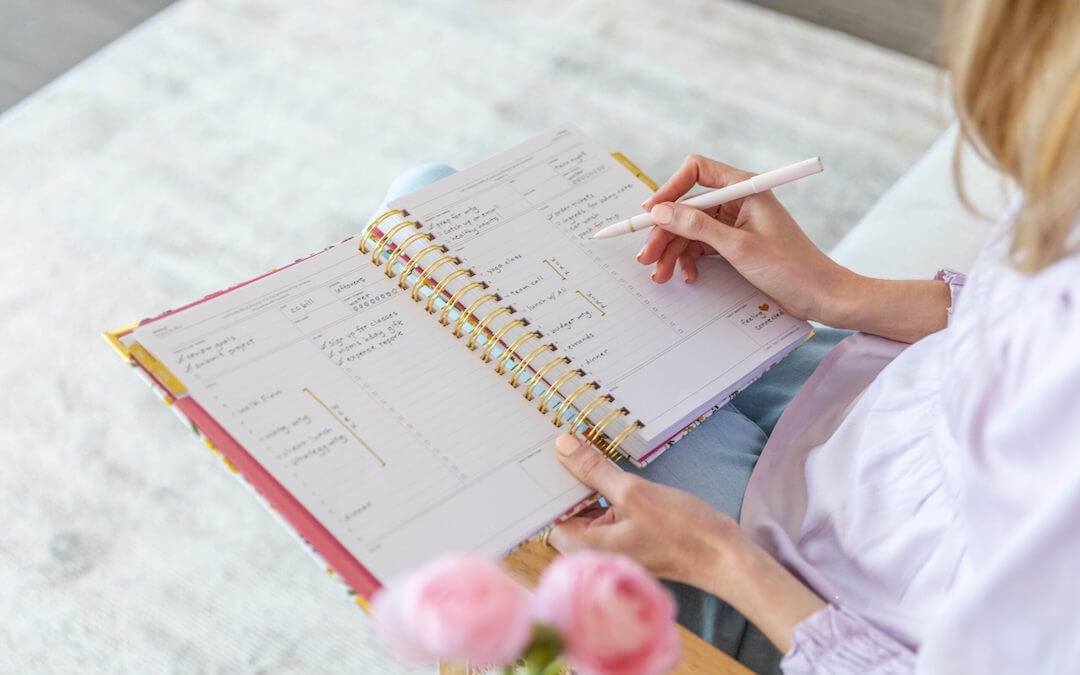
A content calendar is a essential tool for any daily blogger. It helps you plan and organize your content in advance, ensuring that you never run out of ideas or miss a deadline. You can use a physical calendar or a digital tool like Google Calendar or Trello to schedule your posts. Consider themes, holidays, and current events when planning your content. For example, if you're a food blogger, you might plan a series of posts around Thanksgiving or Christmas. 
Step 4: Writing Engaging Headlines and Introductions
Your headline and introduction are the most critical parts of your blog post. They need to grab the reader's attention, entice them to read more, and set the tone for the rest of the post. A good headline should be descriptive, informative, and attention-grabbing. Your introduction should be engaging, concise, and relevant to the topic. For example, if you're writing about the benefits of meditation, your headline might be "Find Inner Peace: 5 Benefits of Daily Meditation" and your introduction might be "In today's fast-paced world, it's easy to get caught up in stress and anxiety. But what if you could find a way to calm your mind and soothe your soul?"
Step 5: Crafting High-Quality Content
Once you have your headline and introduction, it's time to start writing your blog post. The key to crafting high-quality content is to focus on providing value to your readers. This can be in the form of tips, tutorials, news, or entertainment. Use a conversational tone, break up your text with headings and subheadings, and include images or videos to illustrate your points. For example, if you're writing about the best hiking trails in your area, you might include photos of the trails, maps, and tips for hikers. 
Step 6: Editing and Proofreading
After you've written your blog post, it's time to edit and proofread. This is an essential step that many bloggers overlook, but it's crucial to ensuring that your content is error-free and polished. Check for grammar, spelling, and punctuation errors, as well as clarity, coherence, and flow. Consider getting a second opinion from a fellow blogger or hiring a professional editor. 
Step 7: Publishing and Promoting Your Blog Post
Once you've edited and proofread your blog post, it's time to publish and promote it. This includes optimizing your post for search engines, adding metadata and keywords, and sharing it on social media. Consider collaborating with other bloggers or influencers in your niche to reach a wider audience. You can also repurpose your content into other formats, such as videos or podcasts, to reach different segments of your audience. 
Step 8: Engaging with Your Audience
The final step in creating a daily blog writing routine is to engage with your audience. This includes responding to comments, answering questions, and providing support and guidance. Consider creating a community around your blog, where readers can connect with each other and share their experiences. You can also use email marketing or newsletters to stay in touch with your audience and promote your content. 
Frequently Asked Questions:
Q: How often should I post to my daily blog?
A: The frequency of your posts will depend on your goals and audience. Consider starting with a daily or weekly schedule and adjusting as needed.
Q: What if I run out of ideas for my daily blog?
A: Don't worry, it's normal to experience writer's block from time to time. Consider brainstorming with other bloggers, using prompts or exercises, or taking a break to recharge your creativity.
Q: How can I increase engagement on my daily blog?
A: Engagement is key to building a loyal audience. Consider using social media, email marketing, or commenting systems to encourage interaction and feedback.
Discover 10 Blog Schedule Daily Routines And Blog Schedule Ideas On

Discover 10 blog schedule daily routines and blog schedule ideas on ...
How To Be An Organized Blogger: 10 Easy Productivity Hacks

How To Be An Organized Blogger: 10 Easy Productivity Hacks
Blog – Day Designer
Blog – Day Designer