Mastering Blog Content Planning: A Step-by-Step Guide to Creating a Killer Strategy
Welcome to the world of blog content planning, where organization and creativity come together to help you produce high-quality content that resonates with your audience. In this tutorial, you'll learn how to create a comprehensive content plan that will take your blogging to the next level. From setting goals and understanding your audience to creating a content calendar and measuring success, we'll cover it all. By the end of this guide, you'll have a clear understanding of how to plan and execute a winning content strategy that drives engagement, boosts traffic, and establishes your brand as an authority in your niche.
Step 1: Setting Goals and Understanding Your Audience in Content Planning
Before you start creating content, it's essential to define your goals and understand who your target audience is. What do you want to achieve with your blog? Are you looking to drive traffic, generate leads, or build brand awareness? Who are your ideal readers, and what problems do they face that your content can solve? Take some time to brainstorm and answer these questions. For example, if you're a fashion blogger, your goal might be to increase sales of your clothing line, and your target audience might be young women aged 25-35 who are interested in trendy and affordable fashion. 
Step 2: Conducting a Content Audit for Effective Content Planning
A content audit is a crucial step in content planning, as it helps you assess your existing content and identify areas for improvement. Go through your blog and categorize your posts into topics, formats, and performance. Which posts have performed well, and which ones have fallen flat? What topics are you covering, and are there any gaps in your content? Use this information to refine your content strategy and create a plan that builds on your strengths and addresses your weaknesses. For instance, if you notice that your listicles are performing well, you may want to create more of those in the future. 
Step 3: Brainstorming and Ideation in Content Planning
Now it's time to get creative and come up with ideas for your content. Use techniques like mind mapping, brainstorming, or freewriting to generate a list of potential topics and ideas. Consider your audience's pain points, industry trends, and current events that relate to your niche. You can also use tools like Google Trends, BuzzSumo, or Ahrefs to find inspiration and identify popular topics. Remember to keep your ideas organized and structured, using a content planner or spreadsheet to categorize and prioritize your ideas. For example, you can create a list of topics related to your niche, such as "summer fashion trends" or "how to style a little black dress."
Step 4: Creating a Content Calendar for Blog Content Planning
A content calendar is a vital tool in content planning, as it helps you schedule and organize your content in advance. Decide on a frequency that works for you, whether it's daily, weekly, or monthly, and plan your content accordingly. Use a planner, spreadsheet, or tool like Trello or Asana to schedule your posts, including the topic, format, and publication date. Be sure to leave some buffer time for unexpected events or changes in your schedule. For instance, if you plan to post twice a week, you can create a calendar that outlines your topics and deadlines for the next few weeks.
Step 5: Measuring Success and Adjusting Your Content Plan
Finally, it's essential to track your progress and measure the success of your content plan. Use analytics tools like Google Analytics or social media insights to monitor your website traffic, engagement, and conversion rates. Assess which types of content are performing well and which ones need improvement. Use this data to refine your content strategy and adjust your plan accordingly. For example, if you notice that your video content is performing well, you may want to create more videos in the future. Remember to stay flexible and be willing to make changes to your plan as you go along.
Frequently Asked Questions
Q: How often should I post content on my blog? A: The frequency of posting depends on your audience and goals. Some bloggers post daily, while others post weekly or monthly. Experiment and find a frequency that works for you. Q: How do I come up with ideas for my content? A: Use techniques like mind mapping, brainstorming, or freewriting to generate ideas. You can also use tools like Google Trends, BuzzSumo, or Ahrefs to find inspiration. Q: What is a content calendar, and why do I need one? A: A content calendar is a tool that helps you schedule and organize your content in advance. It ensures that you consistently post high-quality content and helps you plan and prepare for future posts. Q: How do I measure the success of my content plan? A: Use analytics tools like Google Analytics or social media insights to monitor your website traffic, engagement, and conversion rates. Assess which types of content are performing well and adjust your plan accordingly.
Content Planning For A (growing) Blog: 6 Easy-to-use Tips
Content planning for a (growing) blog: 6 easy-to-use tips
Content Planning - The Beginner’s Guide For Bloggers (2024)
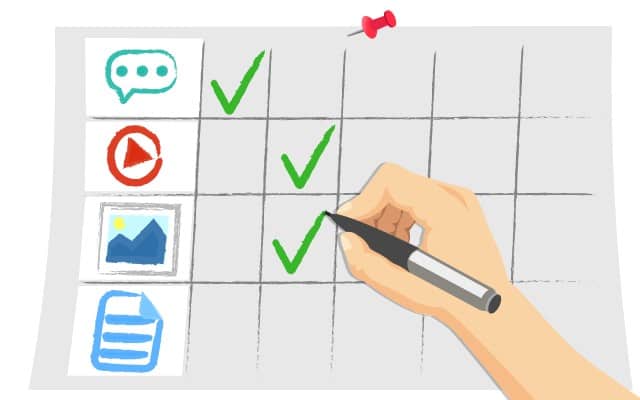
Content Planning - The Beginner’s Guide for Bloggers (2024)
Grab Your FREE BLOGGING PLAN!
Grab Your FREE BLOGGING PLAN!