Mastering Article Writing: Tips and Tricks for Crafting Engaging Content
Writing an article can be a daunting task, especially for beginners. However, with the right guidance and tips, you can create high-quality content that engages and informs your readers. In this tutorial, we will walk you through the step-by-step process of writing an article, covering topics such as format, structure, and style. By the end of this tutorial, you will have the skills and confidence to write articles that capture your audience's attention and leave a lasting impression.
Step 1: Choosing a Topic for Your Article Writing
When it comes to writing an article, the first and most crucial step is to choose a topic that resonates with your target audience. Your topic should be relevant, interesting, and informative. Consider what problems your readers are facing and how you can provide solutions through your article. For example, if you are writing for a health and wellness blog, you could write about the benefits of meditation or the importance of exercise. 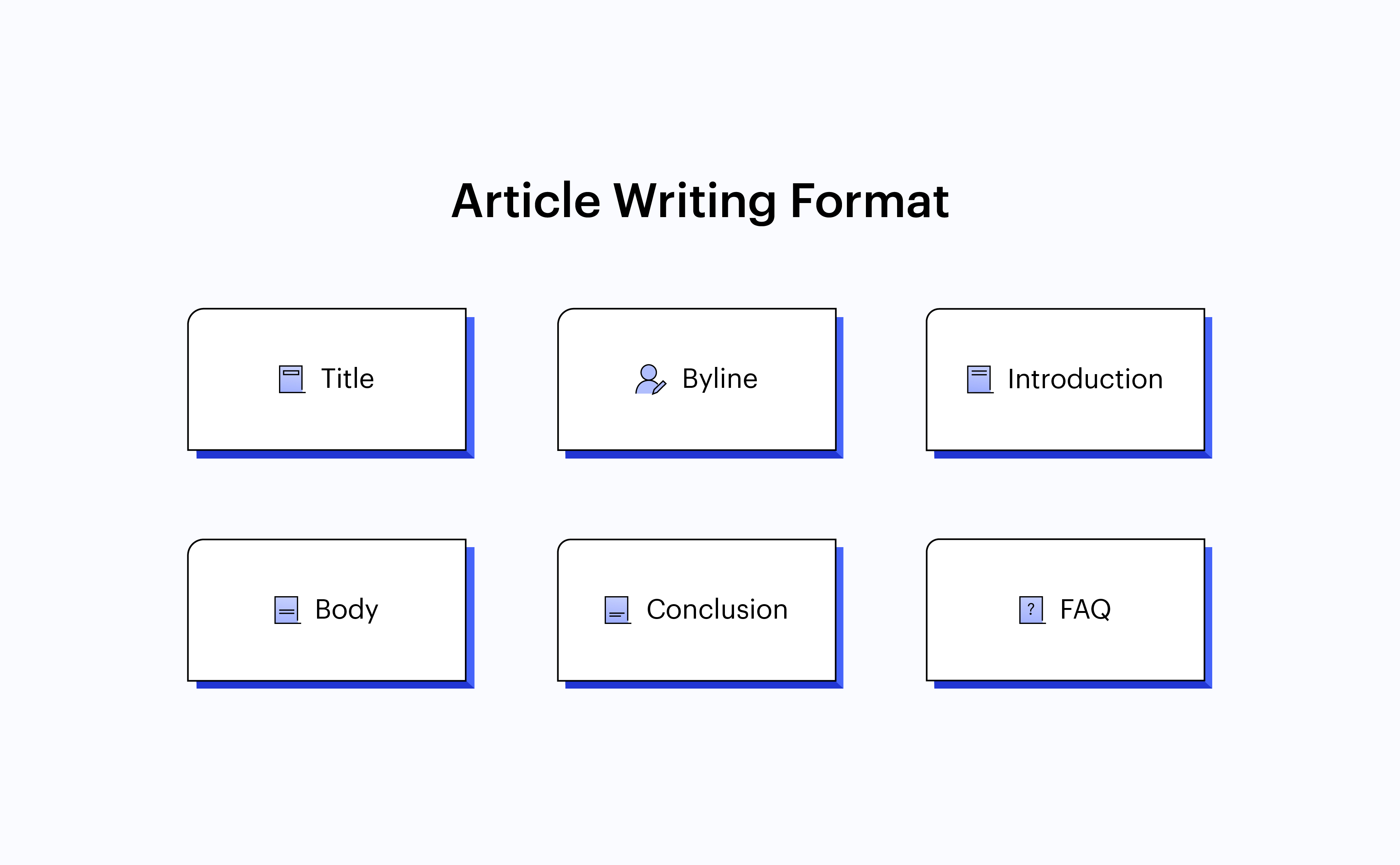
Step 2: Researching and Outlining Your Article Content
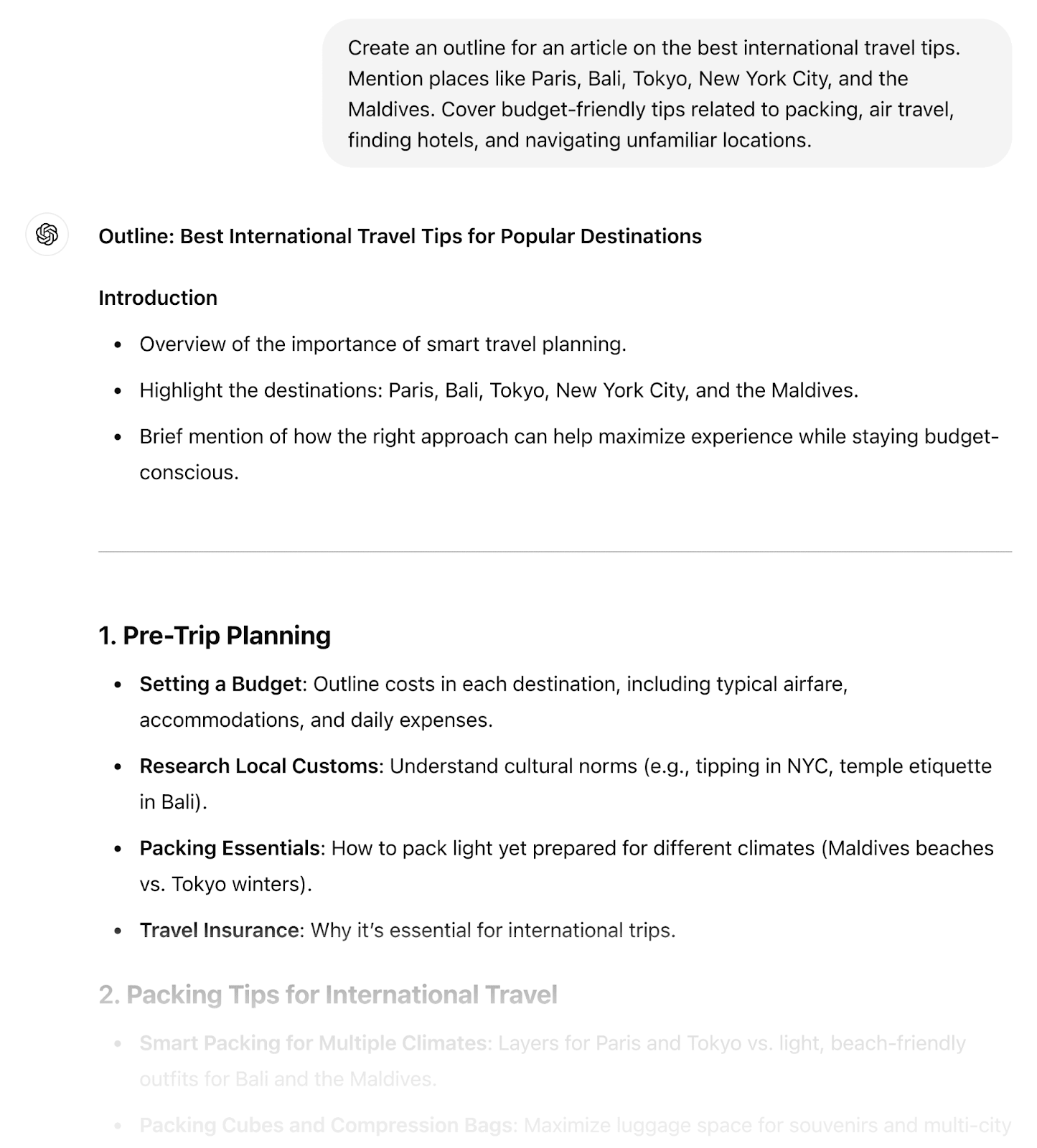
Once you have chosen your topic, it's time to conduct research and create an outline for your article. This involves gathering information from credible sources, taking notes, and organizing your ideas in a logical and coherent manner. A well-structured outline will help you stay focused and ensure that your article flows smoothly. Consider using tools like mind maps or diagrams to visualize your ideas and make connections between them. 
Step 3: Writing Your Article Introduction and Hook
The introduction is the most critical part of your article, as it determines whether your readers will continue reading or not. Your introduction should be engaging, informative, and attention-grabbing. Start with a hook that captures your reader's attention, followed by a brief overview of what your article will cover. Use a conversational tone and avoid jargon or technical terms that may confuse your readers. For instance, you could start your article with a fascinating statistic or a thought-provoking question. 
Step 4: Crafting Your Article Body and Structure
The body of your article is where you provide in-depth information, examples, and supporting evidence. Use a clear and concise writing style, breaking up your content into paragraphs and subsections as needed. Ensure that each paragraph has a clear topic sentence and that your ideas flow logically from one paragraph to the next. Use transitions and connecting words to link your ideas and make your article more cohesive. Consider using bullet points or lists to present complex information in a more digestible format. 
Step 5: Concluding and Editing Your Article Writing
Once you have completed the body of your article, it's time to conclude and edit your work. Your conclusion should summarize the main points of your article, reiterate your thesis statement, and leave your readers with a lasting impression. Editing is a critical step that involves reviewing your article for grammar, punctuation, and spelling errors. Use tools like grammar checkers or editing software to help you refine your writing and ensure that your article is error-free. 
Step 6: Optimizing and Publishing Your Article Content
After editing and refining your article, it's time to optimize and publish it. Optimization involves ensuring that your article is search engine friendly, with relevant keywords, meta descriptions, and headings. Use header tags (H1, H2, H3, etc.) to structure your content and make it more readable. Finally, publish your article on your website, blog, or social media platforms, and share it with your audience. Consider promoting your article through email newsletters or social media campaigns to increase its visibility and reach. 
By following these steps and tips, you can create high-quality articles that engage and inform your readers. Remember to stay focused, use a conversational tone, and provide valuable insights and information. With practice and patience, you can become a skilled article writer and create content that resonates with your audience.
Frequently Asked Questions (FAQs)
Q: What is the ideal length for an article? A: The ideal length for an article varies depending on the topic and audience, but it's generally recommended to keep it between 500-1000 words. Q: How do I choose a topic for my article? A: Choose a topic that resonates with your target audience and provides valuable insights and information. Q: What is the most important part of an article? A: The introduction is the most critical part of an article, as it determines whether your readers will continue reading or not. Q: How do I optimize my article for search engines? A: Use relevant keywords, meta descriptions, and headings to make your article search engine friendly. Q: How do I promote my article after publication? A: Share your article on social media platforms, email newsletters, and other online channels to increase its visibility and reach.
How To Craft The Perfect Article: Tips And Tricks For Structure, Style

How to Craft the Perfect Article: Tips and Tricks for Structure, Style ...
News Article Outline - Examples, Format, Pdf | Newspaper Article

News Article Outline - Examples, Format, Pdf | Newspaper article ...
How To Write An Article Your Audience Wants To Read
How to Write an Article Your Audience Wants to Read