Mastering the Art of Writing a Compelling Article: Tips and Tricks
Writing a well-structured and engaging article can be a daunting task, especially for beginners. However, with the right guidance and techniques, anyone can learn to craft a compelling article that captures their audience's attention. In this step-by-step tutorial, you will learn how to write an article that editors will love, from outlining and researching to writing and editing. By the end of this guide, you will have the skills and confidence to produce high-quality articles that showcase your expertise and leave a lasting impression on your readers.
Step 1: Choosing a Topic and Creating an Outline for Your Article
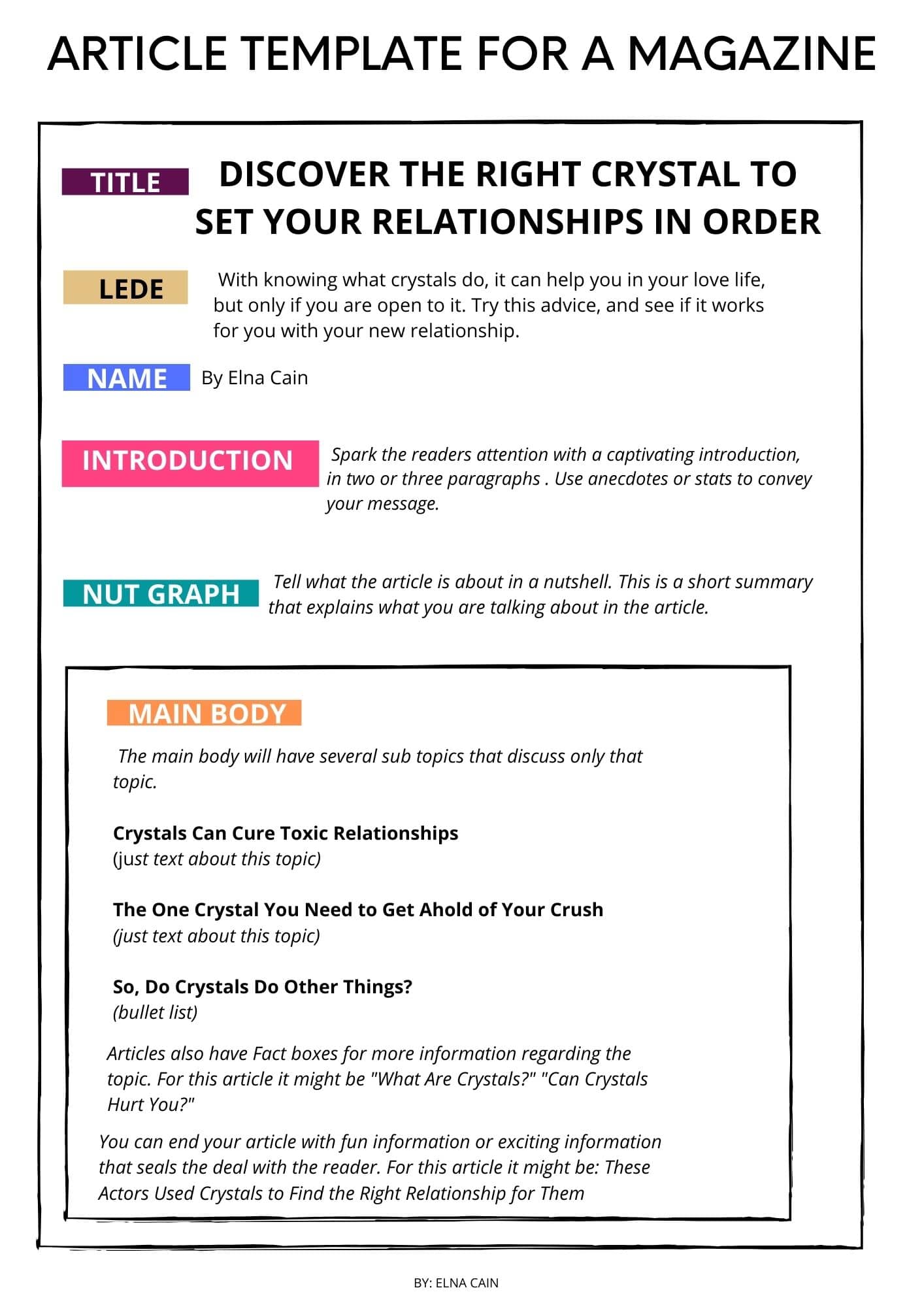
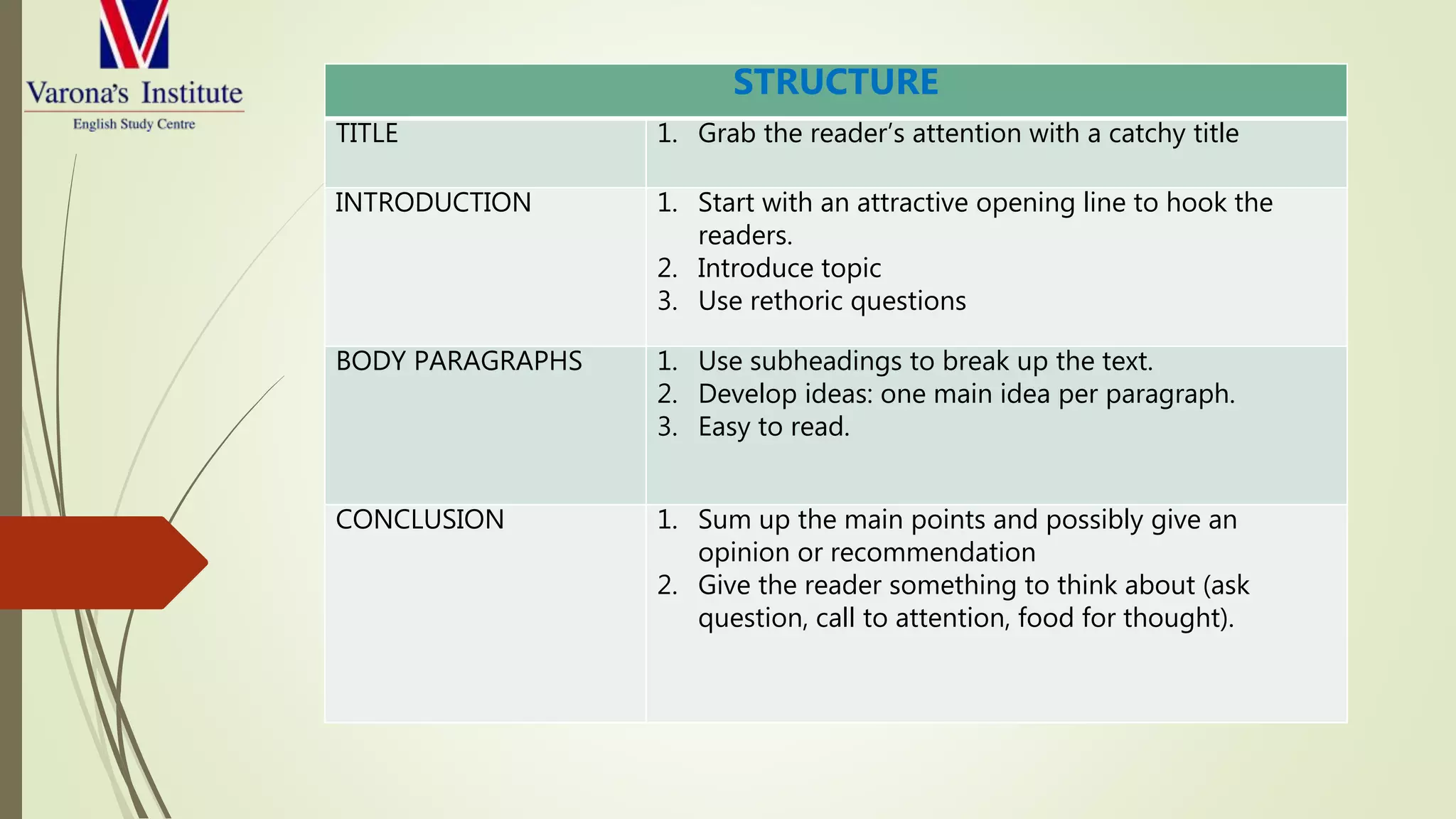
Choosing a topic for your article is the first and most crucial step in the writing process. It's essential to select a topic that resonates with your target audience and aligns with your expertise. To get started, brainstorm a list of ideas and narrow them down to the most relevant and interesting ones. Once you have a topic in mind, create an outline to organize your thoughts and structure your article. A typical outline should include an introduction, body, and conclusion. You can use online resources, such as a news article outline template, to help you get started. For example, you can visit this website to download a sample outline.

Step 2: Conducting Research and Gathering Information for Your Article
Conducting research is a critical step in writing a well-informed and engaging article. It's essential to gather credible sources and facts to support your arguments and claims. Start by reading books, articles, and online resources related to your topic. Take notes and organize the information into categories to help you structure your article. You can also conduct interviews with experts or individuals who have firsthand experience with the topic. Remember to verify the accuracy of the information and cite your sources to maintain credibility. For instance, if you're writing about a specific industry, you can visit the official website or consult with a professional in the field.
Step 3: Writing a Compelling Introduction and Hook for Your Article
The introduction is the most critical part of your article, as it sets the tone and grabs the reader's attention. A compelling introduction should include a hook, background information, and a thesis statement. The hook can be a surprising statistic, a thought-provoking question, or a personal anecdote that relates to the topic. The background information provides context and helps the reader understand the significance of the topic. The thesis statement summarizes the main argument or point of the article. For example, if you're writing about the benefits of meditation, your introduction could start with a hook like "Did you know that meditation can reduce stress and anxiety by up to 30%?"
Step 4: Writing the Body and Supporting Your Arguments with Evidence
The body of your article should provide evidence and supporting details to reinforce your thesis statement. Each paragraph should focus on one main idea and include transitions to connect the ideas. Use examples, statistics, and expert opinions to support your arguments and make the article more engaging. It's essential to maintain a clear and concise writing style, avoiding jargon and technical terms that may confuse your readers. You can use subheadings and bullet points to break up the content and make it easier to read. For instance, if you're writing about the importance of recycling, you can include a section on the environmental benefits and another on the economic advantages.
Step 5: Concluding and Editing Your Article
The conclusion summarizes the main points and reiterates the thesis statement. It's essential to leave the reader with a lasting impression and a call to action. After completing the first draft, revise and edit your article to ensure it's free of errors and flows smoothly. Check for grammar, punctuation, and spelling mistakes, and make sure the tone and style are consistent throughout the article. You can also ask a friend or colleague to review your work and provide feedback. Remember to proofread your article multiple times before submitting it to editors or publishing it online.
Frequently Asked Questions
How To Write An Article | PPTX
How to Write an Article | PPTX
How To Write An Article People Want To Read (in 7 Steps)
How to Write an Article People Want to Read (in 7 Steps)
How To Write An Article

How To Write An Article