Optimizing Blog Post Length for SEO, Traffic, and Engagement: A Step-by-Step Guide
When it comes to creating engaging and effective blog posts, one of the most common questions bloggers and content creators face is "how long should a blog post be?" The answer, however, is not a one-size-fits-all solution. In this tutorial, you will learn how to determine the ideal blog post length based on your goals, audience, and search engine optimization (SEO) requirements. By the end of this guide, you will be able to craft blog posts that resonate with your target audience, drive traffic to your website, and boost your online visibility.
Step 1: Define Your Blog Post Goals and Objectives - Understanding the Role of Length in SEO
Before you start writing, it's essential to define the purpose of your blog post. Are you looking to drive traffic, generate leads, or build brand awareness? Different goals require different approaches to content length. For instance, if you're aiming to drive traffic, a longer, more comprehensive blog post (around 1,500-2,000 words) may be more effective, as it provides more opportunities for keyword optimization and can attract more backlinks. On the other hand, if you're looking to build brand awareness, a shorter, more engaging post (around 500-700 words) may be more suitable, as it can be easily shared and consumed on social media.

Step 2: Identify Your Target Audience and Their Reading Preferences - How Length Impacts Engagement
Understanding your target audience is crucial in determining the ideal blog post length. Different demographics and personas have varying reading preferences and attention spans. For example, younger readers may prefer shorter, bite-sized content, while older readers may be more willing to engage with longer, more in-depth posts. Consider conducting audience research or analyzing your website analytics to gain insights into your readers' preferences. You can also experiment with different content lengths to see what resonates best with your audience.
Step 3: Research Your Competition and Industry Benchmarks - Analyzing the Impact of Length on SEO
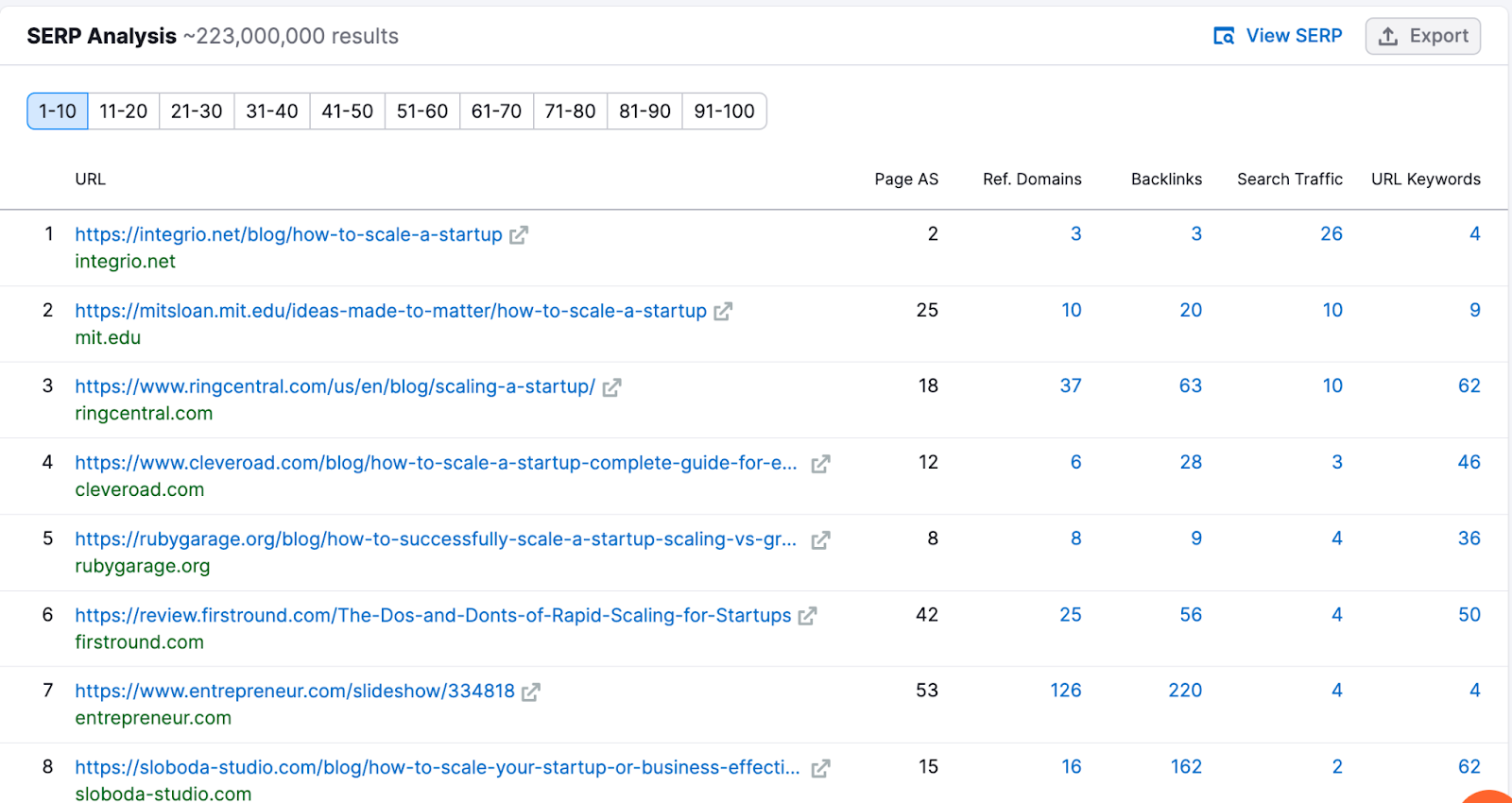
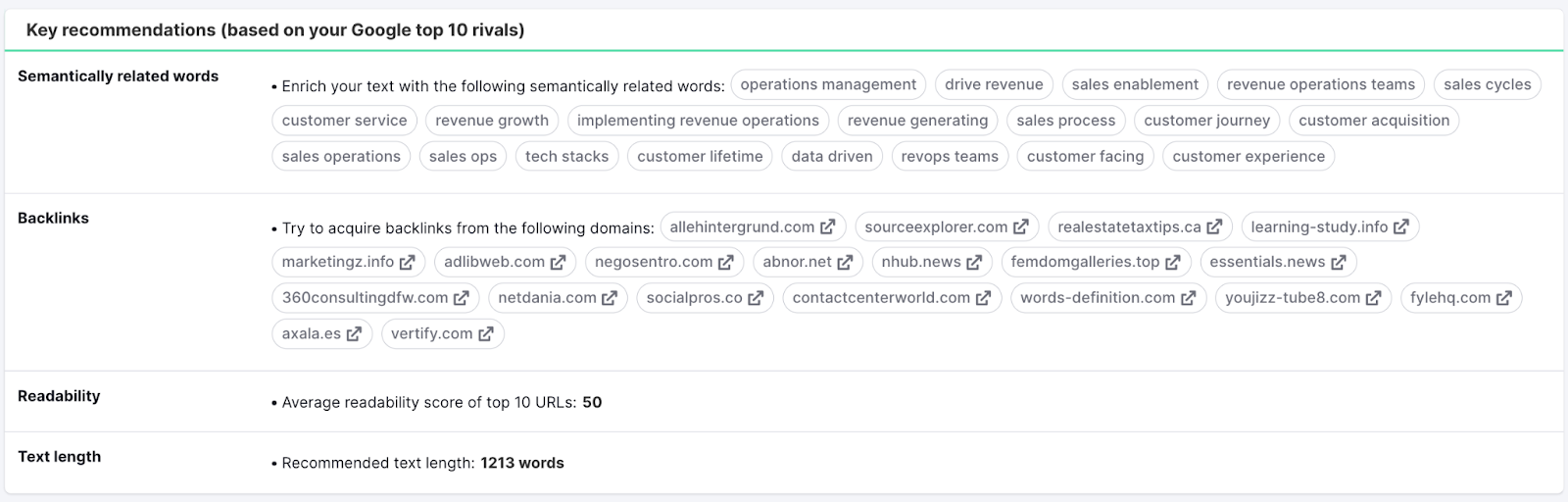
Researching your competition and industry benchmarks can provide valuable insights into the optimal blog post length for your niche. Analyze the content of your competitors and identify gaps in the market. Look at the average word count, content structure, and engagement metrics (such as comments, likes, and shares) of top-performing posts in your industry. This will help you understand what types of content are resonating with your target audience and how you can create similar content that stands out from the competition. Additionally, consider using SEO tools to analyze the keyword density and optimization of your competitors' content.
Step 4: Determine the Ideal Blog Post Length Based on Your Goals and Audience - Balancing SEO and Engagement
Now that you have defined your goals, identified your target audience, and researched your competition, it's time to determine the ideal blog post length for your content. Based on your research, you may find that a longer blog post (around 2,000-2,500 words) is more effective for driving traffic and generating leads, while a shorter post (around 500-700 words) is better suited for building brand awareness and engaging with your audience on social media. Remember to balance your content length with keyword optimization and engagement strategies to ensure that your blog post is both SEO-friendly and reader-friendly.
Step 5: Create a Content Calendar and Plan Your Blog Posts in Advance - Ensuring Consistency and Variety
Creating a content calendar and planning your blog posts in advance can help you ensure consistency and variety in your content. Consider planning a mix of short and long blog posts, as well as different content formats, such as videos, infographics, and podcasts. This will help you cater to different reading preferences and keep your audience engaged. Additionally, planning your content in advance will help you avoid last-minute rushes and ensure that your blog posts are well-researched, well-written, and optimized for SEO.
Step 6: Monitor and Analyze Your Blog Post Performance - Tracking the Impact of Length on SEO and Engagement
Finally, it's essential to monitor and analyze your blog post performance to understand what's working and what's not. Use analytics tools to track your website traffic, engagement metrics, and keyword rankings. This will help you identify areas for improvement and adjust your content strategy accordingly. Consider experimenting with different content lengths and formats to see what resonates best with your audience and drives the most traffic to your website.
Frequently Asked Questions
Q: What is the ideal blog post length for SEO?
A: The ideal blog post length for SEO varies depending on your goals and audience, but a general rule of thumb is to aim for a minimum of 500-700 words for a basic blog post, and 1,500-2,000 words for a more comprehensive and authoritative post.
Q: How does blog post length impact engagement?
A: Blog post length can significantly impact engagement, as longer posts may be more likely to attract backlinks and shares, while shorter posts may be more easily consumed and shared on social media.
Q: Can I use a one-size-fits-all approach to blog post length?
A: No, it's essential to tailor your blog post length to your specific goals, audience, and industry. A one-size-fits-all approach may not be effective and may result in poor engagement and SEO performance.
How Long Should A Blog Post Be? Best Length For SEO In 2025
How Long Should A Blog Post Be? Best Length For SEO In 2025
Find Your Ideal Blog Post Length Based On Goals, Audience, And Search
Find your ideal blog post length based on goals, audience, and search ...
Find Your Ideal Blog Post Length Based On Goals, Audience, And Search
Find your ideal blog post length based on goals, audience, and search ...