Mastering Blog Management: A Step-by-Step Guide to Streamlining Your Blog Content
Welcome to this comprehensive guide on how to manage a blog effectively. Managing a blog can be a daunting task, especially when it comes to organizing and keeping track of your content. In this tutorial, we will walk you through the steps to streamline your blog management process, making it easier to create, publish, and maintain your blog posts. By the end of this guide, you will have a solid understanding of how to manage your blog content using the most important tools and techniques.
Step 1: Choosing the Right Blog Management System
Selecting a suitable blog management system is crucial for efficient blog management. A blog management system helps you organize your content, schedule posts, and track analytics. When choosing a blog management system, consider factors such as ease of use, customization options, and integrations with other tools. For example, you can use a plugin like WordPress to manage your blog content.

Step 2: Planning and Organizing Your Content with a Blog Management Tool
Planning and organizing your content is vital for successful blog management. Start by brainstorming ideas for your blog posts, and then create a content calendar to schedule your posts. Use a blog management tool like Trello or Asana to organize your content and assign tasks to team members. You can also use a spreadsheet to track your content pipeline and ensure that you have a steady stream of posts going live. For instance, you can create a table with columns for post title, category, tags, and publication date. 
Step 3: Creating Engaging Content for Your Blog Management Strategy
Creating engaging content is critical for attracting and retaining readers. To create engaging content, focus on providing value to your readers, whether it's through informative tutorials, entertaining stories, or thought-provoking opinions. Use a conversational tone and include visuals such as images, videos, or infographics to break up the text and make your content more shareable. For example, you can use a tool like Canva to create custom graphics and illustrations for your blog posts. 
Step 4: Optimizing Your Blog Posts for Search Engines using Blog Management Techniques
Optimizing your blog posts for search engines is essential for increasing visibility and driving traffic to your blog. Use keywords strategically throughout your post, including in the title, meta description, and headings. Use header tags (H1, H2, H3, etc.) to structure your content and make it easier to read. You can also use a plugin like Yoast SEO to analyze your post's readability and SEO score. 
Step 5: Scheduling and Publishing Your Blog Posts using a Blog Management System
Scheduling and publishing your blog posts is a crucial step in blog management. Use a scheduling tool like Hootsuite or Buffer to schedule your posts in advance, ensuring that your content is published consistently. You can also use a plugin like WordPress's built-in scheduling feature to schedule your posts. Make sure to proofread and edit your posts before publishing to ensure that they are error-free and polished. 
Step 6: Analyzing and Tracking Your Blog Performance with Blog Management Metrics
Analyzing and tracking your blog's performance is vital for understanding what works and what doesn't. Use analytics tools like Google Analytics or Jetpack to track your blog's traffic, engagement, and conversion rates. Monitor your metrics regularly to identify areas for improvement and adjust your blog management strategy accordingly. For example, you can use Google Analytics to track your blog's bounce rate, average session duration, and pages per session. 
Step 7: Engaging with Your Audience and Building a Community around Your Blog
Engaging with your audience is critical for building a loyal following and creating a community around your blog. Respond to comments and messages promptly, and use social media to interact with your readers. Use a plugin like Disqus or Jetpack to enable comments on your blog and make it easy for readers to engage with your content. You can also use email marketing tools like Mailchimp to build an email list and send newsletters to your subscribers. 
FAQs
Q: What is the best blog management system for beginners? A: The best blog management system for beginners is WordPress, as it is user-friendly and has a wide range of plugins and themes available. Q: How often should I post on my blog? A: The frequency of posting on your blog depends on your audience and content strategy. However, it's recommended to post at least once a week to keep your readers engaged. Q: How can I increase traffic to my blog? A: To increase traffic to your blog, focus on creating high-quality content, optimizing your posts for search engines, and promoting your blog on social media. Q: What is the importance of blog management? A: Blog management is crucial for creating a professional and engaging blog that attracts and retains readers. It helps you organize your content, schedule posts, and track analytics, ensuring that your blog is running smoothly and efficiently.
How To Manage Blog Content With The Most Important Tool - Mommin' From
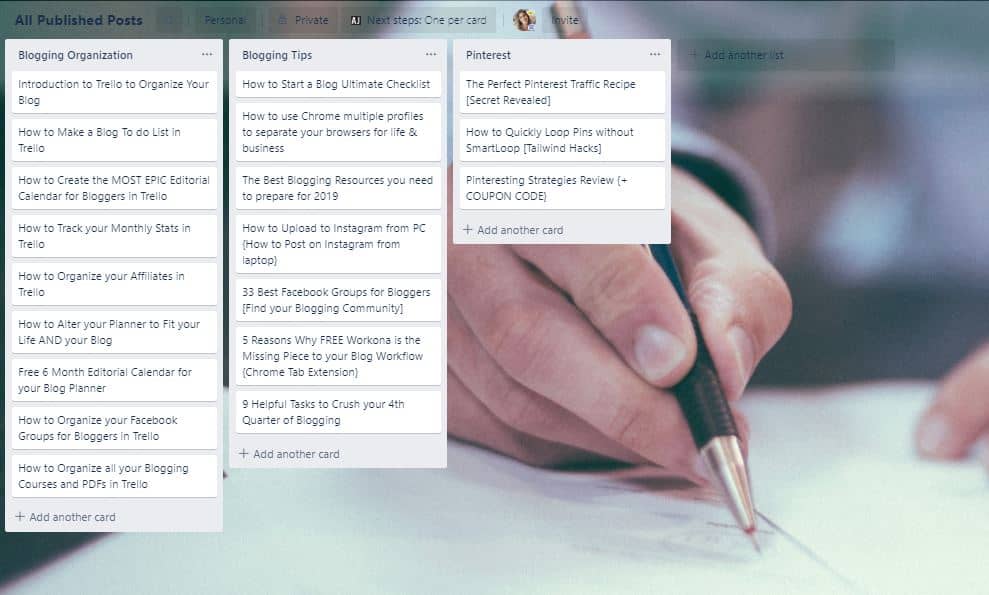
How to Manage Blog Content with the Most Important Tool - Mommin' From ...
How To Manage Blog Content With The Most Important Tool - Mommin' From
How to Manage Blog Content with the Most Important Tool - Mommin' From ...
How To Use Blog Designer Plugin? (Step-by-Step Guide)

How To Use Blog Designer Plugin? (Step-by-Step Guide)