How to Write Articles: A Beginner's Guide to Writing Engaging Articles
Welcome to the world of article writing. Are you ready to become a master wordsmith and create engaging content that captivates your audience? In this step-by-step tutorial, you'll learn how to write articles that inform, educate, and entertain your readers. From choosing a topic to publishing your masterpiece, we'll cover it all. By the end of this guide, you'll be equipped with the skills and knowledge to write articles like a pro. So, let's get started and dive into the wonderful world of article writing.
Step 1: Choosing a Topic to Write an Article About
Picking a topic is the first and most crucial step in writing an article. You want to choose something that resonates with your audience and is relevant to your niche. Brainstorm a list of ideas, and then narrow it down to the one that excites you the most. Remember, your passion will shine through in your writing, so choose a topic that you're knowledgeable about and enjoy writing about. For example, if you're a fashion blogger, you might choose to write about the latest trends in sustainable fashion. Consider what's currently trending, and what problems your audience is trying to solve. You can also use online tools such as Google Trends or keyword research software to find inspiration. 
Step 2: Researching and Outlining Your Article
Now that you've chosen your topic, it's time to research and outline your article. This is where you'll gather all the necessary information to support your arguments and ideas. Read books, articles, and online resources to get a better understanding of your topic. Take notes, and organize your thoughts into a logical outline. This will help you stay focused and ensure that your article flows smoothly. For instance, if you're writing about the benefits of meditation, you might research the science behind it, and outline the different techniques and practices. Consider using mind mapping or concept mapping tools to visualize your ideas. 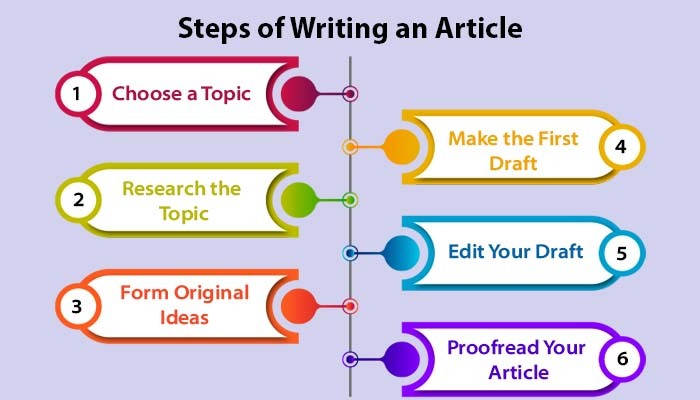
Step 3: Writing a Compelling Introduction to Your Article
Your introduction is the first impression your readers will get of your article, so make it count. You want to hook your audience with an interesting fact, a thought-provoking question, or a personal anecdote. Keep it concise, clear, and engaging. Avoid using jargon or overly complex language that might confuse your readers. Use a conversational tone, and make sure your introduction sets the stage for the rest of your article. For example, if you're writing about the importance of recycling, you might start with a surprising statistic about the amount of waste generated daily. Use rhetorical devices such as metaphors or allusions to add depth and creativity to your writing. 
Step 4: Crafting a Well-Structured Body for Your Article
The body of your article is where you'll provide evidence, examples, and supporting details to back up your claims. Break up your content into logical sections or paragraphs, each with its own unique point or idea. Use transitional phrases and words to connect your paragraphs and create a smooth flow. Make sure your language is clear, concise, and easy to understand. Use active voice instead of passive voice, and vary your sentence structure to keep your readers engaged. For instance, if you're writing about the benefits of exercise, you might divide your body into sections on physical health, mental health, and social benefits. Use bullet points or numbered lists to break up complex information and make it easier to read. 
Step 5: Concluding and Editing Your Article
Once you've finished writing your article, it's time to conclude and edit. Your conclusion should summarize the main points of your article and leave your readers with something to think about. Avoid introducing new information or ideas in your conclusion, and keep it brief and to the point. Editing is where you'll refine your writing, check for grammar and punctuation errors, and ensure that your article is free of typos and inconsistencies. Read your article out loud, or ask a friend or family member to review it and provide feedback. Use grammar and spell check tools to help you identify mistakes. For example, if you're writing about the importance of proofreading, you might conclude by emphasizing the impact of errors on credibility and professionalism. 
Step 6: Publishing and Promoting Your Article
Congratulations, you've finished writing your article. Now it's time to share it with the world. Choose a platform or publication that aligns with your niche and audience, and submit your article for review. Make sure you follow the submission guidelines, and be prepared to make any necessary revisions. Once your article is published, promote it on social media, email newsletters, or other channels to reach a wider audience. Engage with your readers, respond to comments, and use analytics tools to track your performance. Consider collaborating with other writers or influencers in your niche to expand your reach. 
Frequently Asked Questions
Q: How long should my article be? A: The length of your article depends on your audience and purpose. Generally, articles can range from 500 to 2000 words. Q: How do I come up with ideas for my article? A: Brainstorm, research, and use online tools such as Google Trends or keyword research software to find inspiration. Q: How do I optimize my article for SEO? A: Use relevant keywords, meta descriptions, and optimize your images to improve your article's visibility in search engine results. Q: How do I know if my article is engaging? A: Track your analytics, read comments and feedback, and use metrics such as time on page and bounce rate to evaluate your article's performance.
How To Write An Article That Engages And Converts: Best Practices
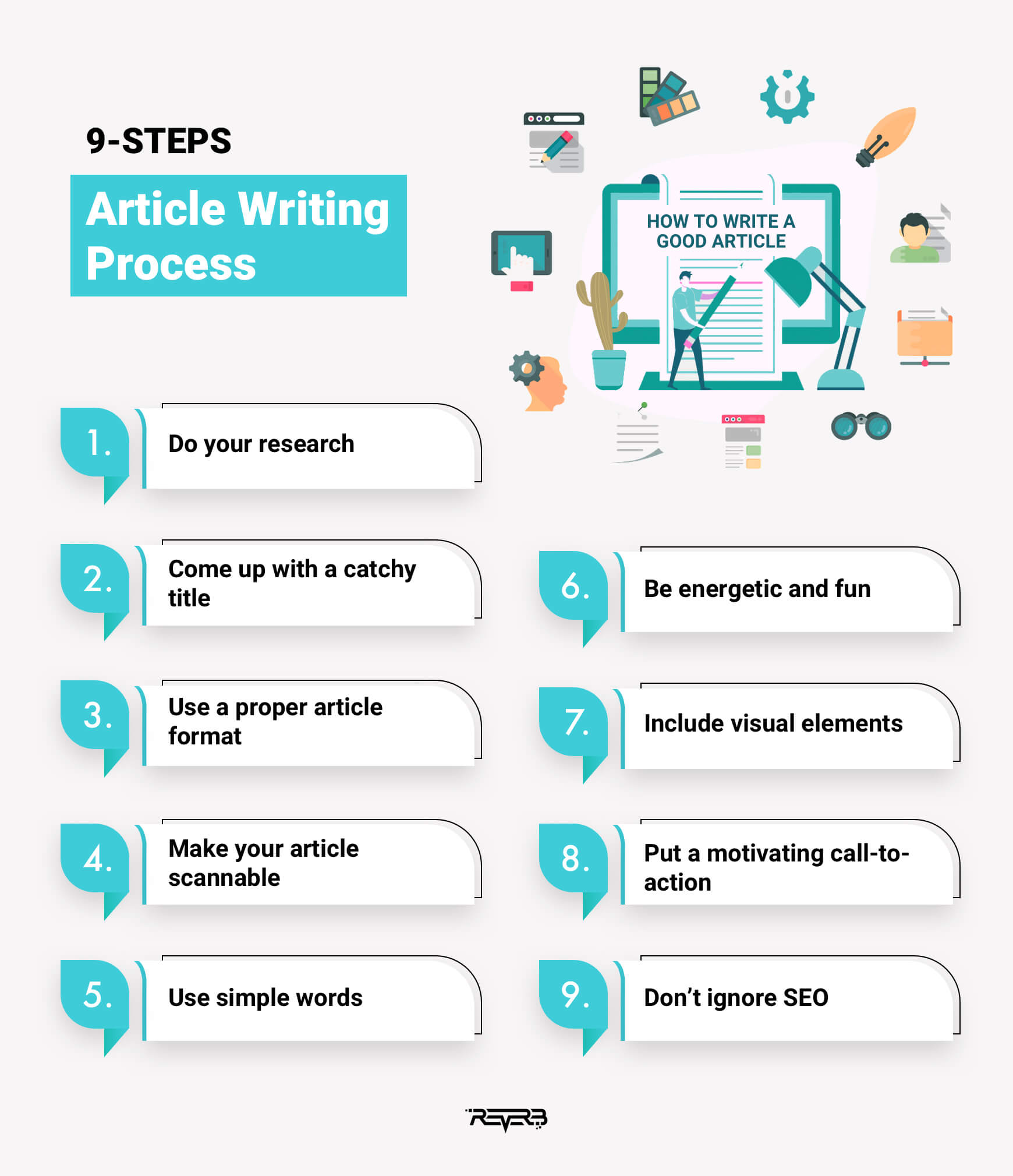
How to Write an Article That Engages and Converts: Best Practices
Getting Started Writing Articles. Complete 12 Steps, One At A Time, And

Getting Started Writing Articles. Complete 12 steps, one at a time, and ...
4 Simple Steps To Write A Good Article [INFOGRAPHIC] - The Nicky Blog
![4 Simple Steps To Write A Good Article [INFOGRAPHIC] - The Nicky Blog](https://thenickyblog.com/wp-content/uploads/2018/09/GOOD-ARTICLE.png)
4 Simple Steps To Write A Good Article [INFOGRAPHIC] - The Nicky Blog