Mastering the Art of Writing Short Articles: A Beginner's Guide to Crafting Engaging Content
Writing short articles is an essential skill for anyone looking to convey their message, share their expertise, or simply tell a story in a concise and engaging manner. In this tutorial, you will learn the steps to write short articles that capture the attention of your readers, convey your message effectively, and leave a lasting impression. Whether you're a blogger, a journalist, or a content marketer, mastering the art of writing short articles is crucial to success in today's fast-paced digital landscape. By the end of this guide, you'll be equipped with the knowledge and skills to write compelling short articles that resonate with your audience.
Step 1: Define Your Purpose and Identify Your Audience for Writing Short Articles
Before you start writing, it's essential to define the purpose of your short article and identify your target audience. What is the main message you want to convey? Who are you writing for? What are their interests, needs, and pain points? Understanding your audience is crucial to writing short articles that resonate with them. For example, if you're writing a short article about a new travel destination, your purpose might be to inform and inspire your readers to visit that place. Your audience might be adventure-seekers, travel enthusiasts, or people looking for a quick getaway. 
Step 2: Research and Plan Your Short Article Outline
Once you have defined your purpose and identified your audience, it's time to research and plan your short article outline. This involves gathering information, organizing your thoughts, and structuring your content in a logical and cohesive manner. A good short article outline should include an introduction, body, and conclusion. The introduction should grab the reader's attention, the body should provide valuable information, and the conclusion should summarize the main points and leave the reader with a lasting impression. For instance, if you're writing a short article about how to write a short paper, your outline might include tips on researching, outlining, drafting, and editing. 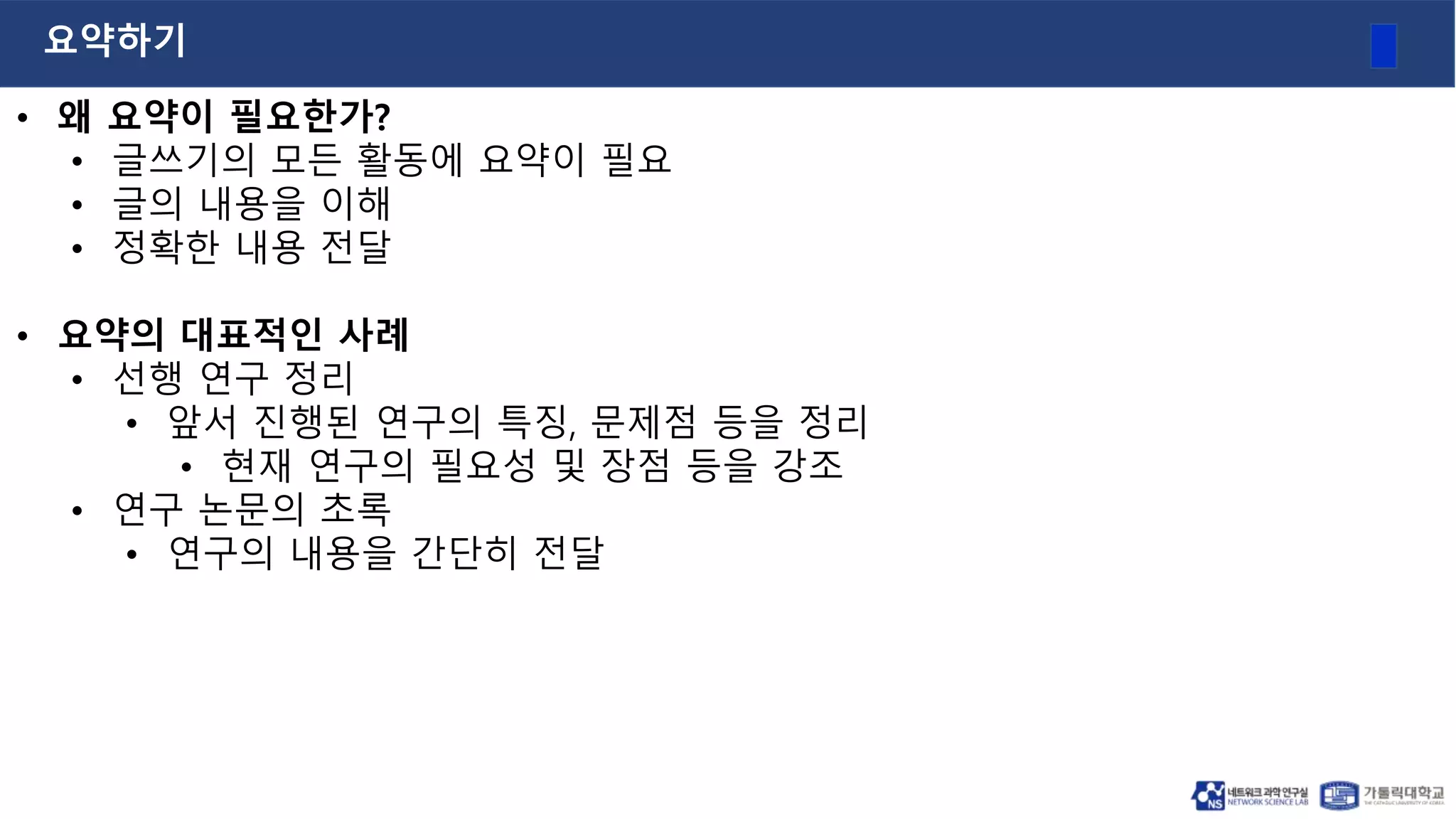
Step 3: Write a Compelling Introduction for Your Short Article
A compelling introduction is essential to grabbing the reader's attention and drawing them into your short article. It should be concise, clear, and engaging. A good introduction should include a hook, some background information, and a thesis statement. The hook should be interesting and relevant, the background information should provide context, and the thesis statement should outline the main argument or point of the short article. For example, if you're writing a short article about the benefits of meditation, your introduction might start with a surprising statistic, followed by some background information on the practice of meditation, and end with a thesis statement that outlines the main benefits of meditation. 
Step 4: Write the Body of Your Short Article
The body of your short article should provide valuable information, insights, and examples that support your main argument or point. It should be well-structured, easy to follow, and engaging. Each paragraph should have a clear topic sentence, some evidence or examples, and a link to the next paragraph. The language should be concise, clear, and free of jargon. For instance, if you're writing a short article about the history of a particular city, the body might include paragraphs on the city's founding, its growth and development, and its current status. 
Step 5: Conclude Your Short Article with a Strong Call-to-Action
A strong conclusion is essential to summarizing the main points of your short article and leaving the reader with a lasting impression. It should be concise, clear, and engaging. A good conclusion should include a summary of the main points, a call-to-action, and some final thoughts. The summary should be brief, the call-to-action should be clear and direct, and the final thoughts should be thought-provoking. For example, if you're writing a short article about the importance of recycling, your conclusion might summarize the main benefits of recycling, encourage the reader to start recycling, and end with a thought-provoking question about the future of our planet. 
Step 6: Edit and Proofread Your Short Article
Once you have written your short article, it's essential to edit and proofread it carefully. This involves checking for grammar, punctuation, and spelling errors, as well as clarity, coherence, and consistency. A good short article should be free of errors, easy to read, and engaging. For instance, you might read your short article aloud to check for tone and flow, or ask a friend or colleague to review it and provide feedback. 
Step 7: Optimize Your Short Article for SEO
Finally, it's essential to optimize your short article for search engine optimization (SEO). This involves using keywords, meta descriptions, and optimizing images. A good short article should be optimized for the right keywords, have a compelling meta description, and include optimized images. For example, if you're writing a short article about the benefits of yoga, you might use keywords like "yoga benefits," "yoga for beginners," and "yoga poses." 
Frequently Asked Questions:
Q: What is the ideal length of a short article?
A: The ideal length of a short article depends on the purpose and audience, but it's generally between 500-1000 words.
Q: How do I make my short article more engaging?
A: You can make your short article more engaging by using a compelling introduction, including interesting examples and anecdotes, and using a conversational tone.
Q: How do I optimize my short article for SEO?
A: You can optimize your short article for SEO by using keywords, meta descriptions, and optimizing images. You should also use header tags, internal and external links, and a clear and concise structure.
Short Article Writing | PDF

Short Article Writing | PDF
How To Write A Short Paper: Writing An Outline.pptx
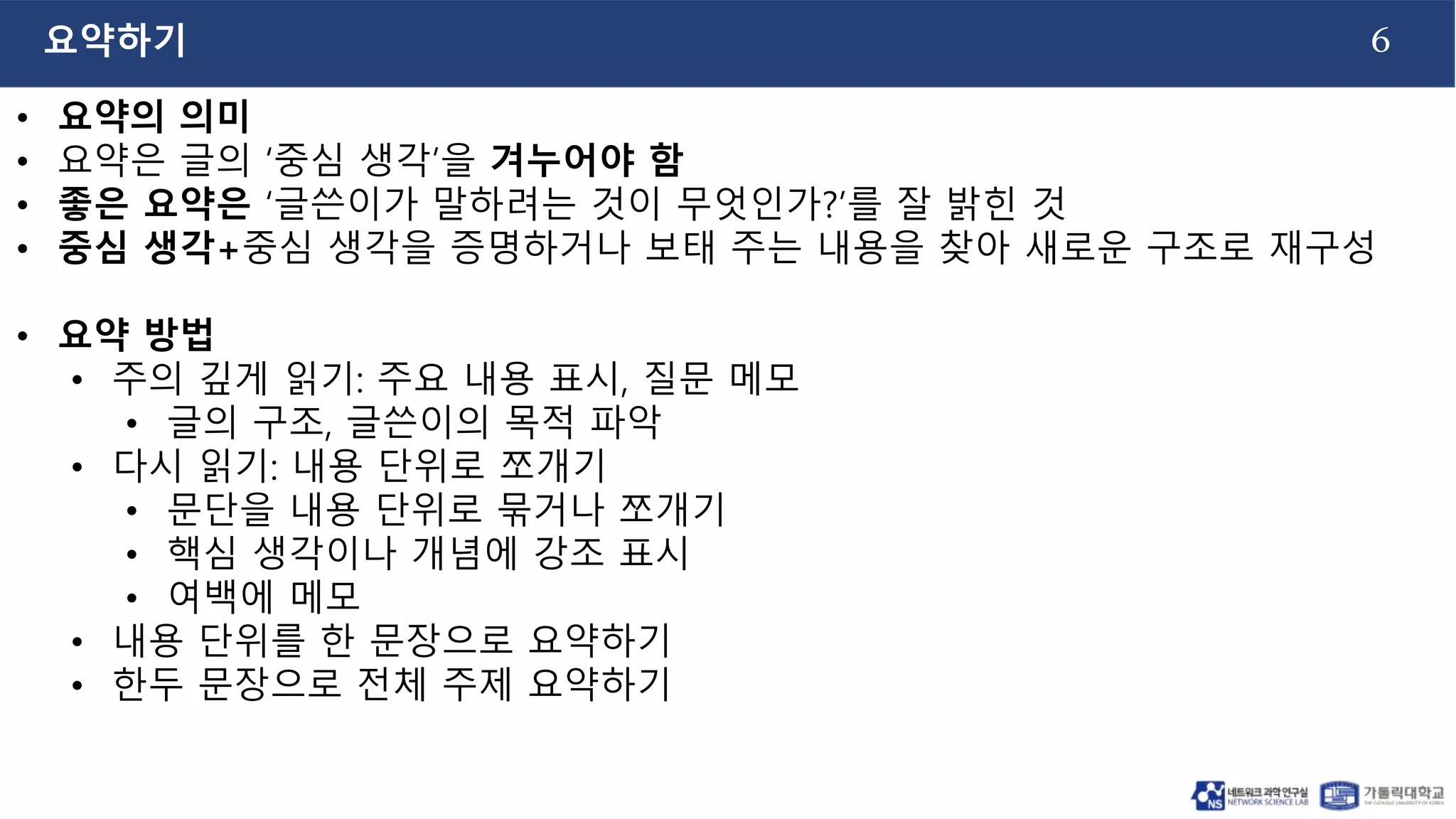
How to Write a Short Paper: Writing an Outline.pptx
How To Write An Article Examples
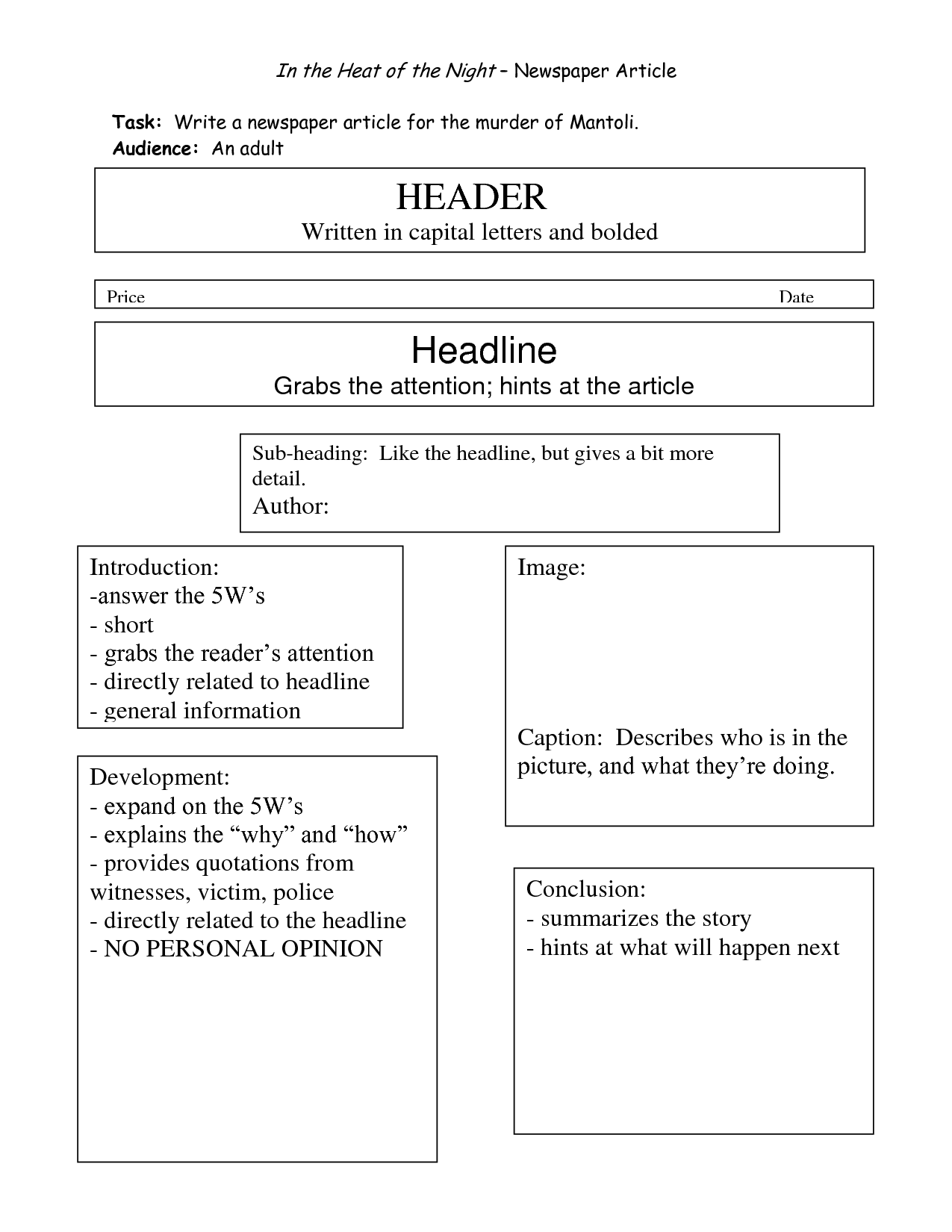
How To Write An Article Examples